Residential flooring installations are a game-changer for any home improvement project. It’s more than just laying down new floors—it’s about upgrading the beauty and functionality of your home. Helen, like many homeowners, wants durable and stylish options that fit her budget and daily routine. Here’s what you need to know:
- Types of Flooring: Hardwood, laminate, vinyl, carpet, and tile each offer unique benefits and aesthetics.
- Installation Costs: Vary depending on materials, labor, and your home’s specifics.
- Impact on Home Improvement: A new floor can improve comfort, add value, and update your home’s look effortlessly.
Flooring installation can feel overwhelming, but understanding your choices and costs will help make it manageable. Let’s explore how the right flooring can lift your home’s style and function.
Understanding Residential Flooring Installations
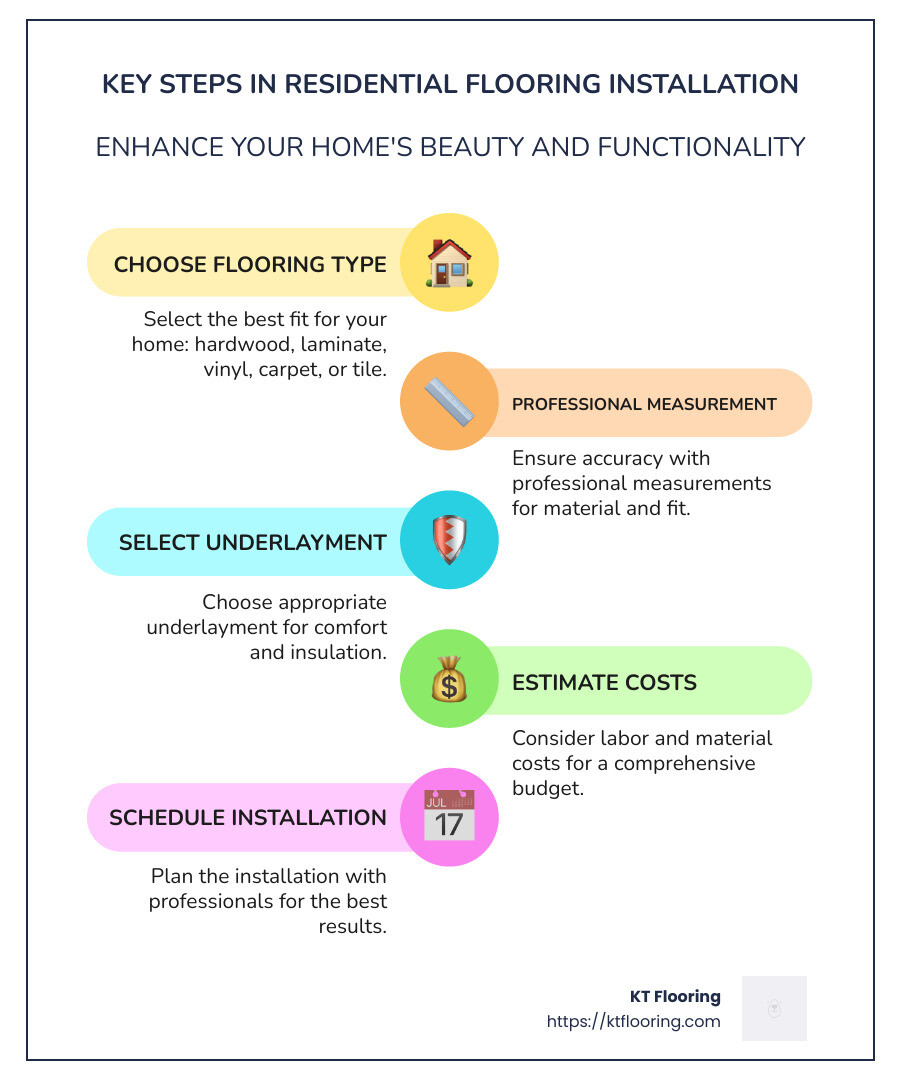
Residential flooring installation is a critical step in changing your home. It involves more than just choosing a floor type—it’s about ensuring precision and quality from start to finish. Let’s break down the essentials:
Professional Measure
Before any installation begins, a professional measure is crucial. This step ensures accuracy and helps avoid costly mistakes. A professional will assess your space to determine the exact amount of material needed. This not only saves money but also ensures a seamless fit for your new floors.
- Why it matters: Accurate measurements prevent material waste and ensure a perfect fit.
Underlayment: The Unsung Hero
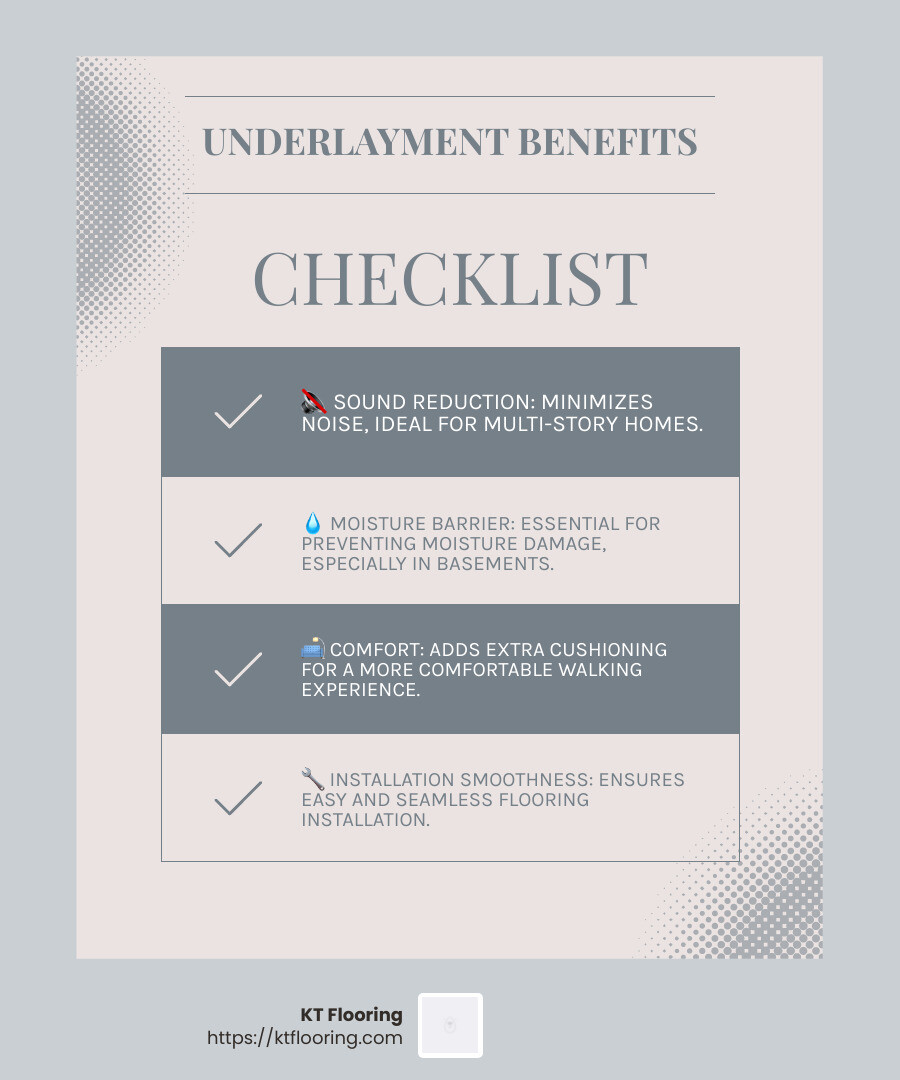
The underlayment is a hidden but vital component of flooring installation. It serves as a cushion between your subfloor and the new flooring. This layer provides several benefits:
- Sound Reduction: It minimizes noise, especially in multi-story homes.
- Moisture Barrier: Protects against moisture, which is essential for areas like basements.
- Comfort: Adds an extra layer of cushioning, making floors more comfortable to walk on.
The Installation Process
Once measurements are taken and underlayment is chosen, the actual installation can begin. Here’s what you can expect:
- Preparation: Old flooring is removed, and the subfloor is cleaned and leveled.
- Installation: Flooring materials are carefully laid out and installed with precision.
- Final Touches: Installers conduct a final inspection to ensure quality and clean up the workspace.
Why Professional Installation Matters
Choosing professional installation guarantees that your floors are laid correctly and efficiently. This reduces the risk of issues like uneven surfaces or premature wear. Moreover, many flooring warranties require professional installation to remain valid.
In the next section, we’ll explore the different types of flooring available for your home and how each can improve your living space.
Types of Flooring for Your Home
When it comes to residential flooring installation, choosing the right type of flooring can make a big difference in the look and feel of your home. Let’s explore some popular options:
Hardwood
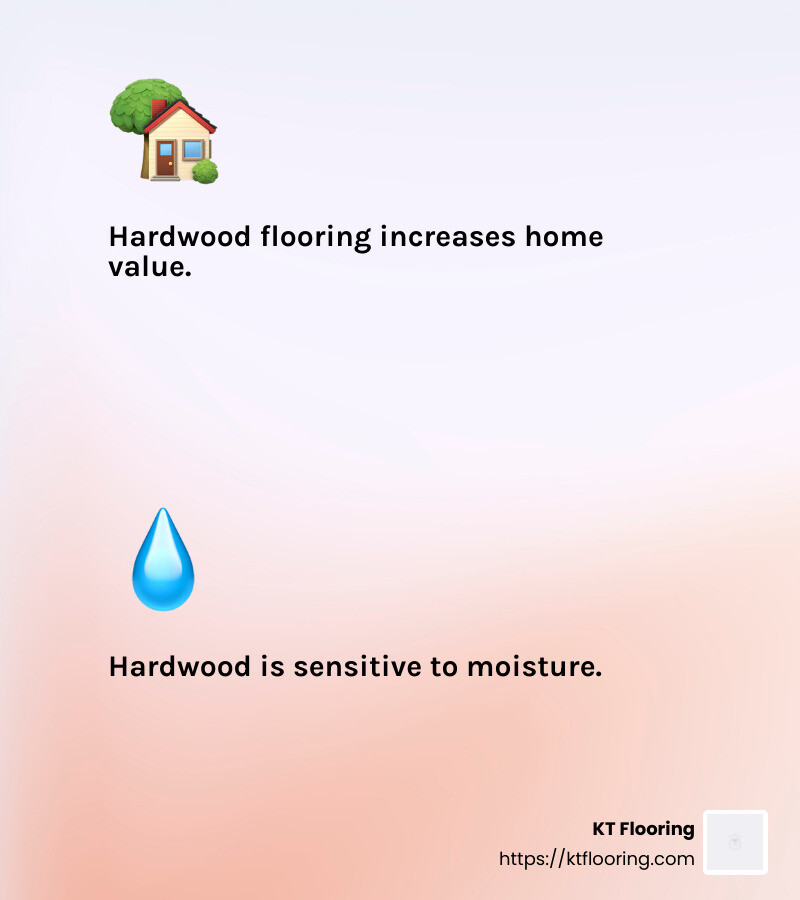
Hardwood flooring is a classic choice that adds elegance and warmth to any room. It’s durable and can last for decades with proper care. Hardwood comes in various finishes and wood types, allowing you to match it perfectly with your home’s style.
- Pros: Timeless appeal, increases home value, easy to clean.
- Cons: Can be expensive, sensitive to moisture.
Laminate
Laminate flooring offers the look of hardwood at a more affordable price. It’s made from a composite material and topped with a high-resolution image of wood. Laminate is durable and resistant to scratches, making it a great choice for high-traffic areas.
- Pros: Cost-effective, easy to install, scratch-resistant.
- Cons: Not as durable as real wood, can’t be refinished.
Vinyl
Vinyl flooring is versatile and comes in many styles, including sheets, tiles, and planks. It’s water-resistant, making it ideal for bathrooms and kitchens. Luxury vinyl plank (LVP) mimics the look of hardwood or stone but is softer underfoot.
- Pros: Water-resistant, budget-friendly, easy maintenance.
- Cons: Can be less durable than other materials, may fade in direct sunlight.
Linoleum
Linoleum is an eco-friendly option made from natural materials like linseed oil and cork dust. It’s durable and comes in a variety of colors and patterns. Linoleum is known for its resilience and ability to withstand heavy foot traffic.
- Pros: Environmentally friendly, long-lasting, hypoallergenic.
- Cons: Needs regular maintenance, can be susceptible to moisture.
Carpeting
Carpeting adds comfort and warmth to any room, especially bedrooms and living areas. It’s available in a wide range of colors and textures. Carpet can help insulate a room, reducing noise and maintaining warmth.
- Pros: Soft underfoot, noise-reducing, insulating.
- Cons: Stain-prone, can harbor allergens.
Choosing the right flooring depends on your lifestyle, budget, and the specific needs of each room. In the next section, we’ll dive into the cost considerations for flooring installation and what you can expect when budgeting for your home improvement project.
Cost Considerations for Flooring Installation
When planning a residential flooring installation, understanding the costs involved is crucial. Let’s break down the key factors: average cost, labor costs, and material costs.
Average Cost
The overall cost of flooring installation can vary widely based on the type of flooring you choose and the size of your project. On average, homeowners might spend anywhere from $1,500 to $4,500 for a standard installation. However, luxury options or larger spaces can push this number higher.
Labor Costs
Labor is a significant part of the installation cost. Professional installers ensure that your flooring is laid correctly, which helps avoid future problems. Labor costs can range from $1 to $4 per square foot. This cost may increase if your space requires extra preparation, like leveling a subfloor or removing old flooring.
Material Costs
The material you choose greatly influences the total expense:
- Hardwood: This premium option can cost between $3 to $14 per square foot, depending on the wood type and finish.
- Laminate: A budget-friendly choice, laminate typically costs between $1 to $6 per square foot.
- Vinyl: Vinyl flooring is a cost-effective and versatile option, ranging from $1 to $5 per square foot.
- Linoleum: Known for its eco-friendliness, linoleum costs about $2 to $5 per square foot.
- Carpeting: Prices for carpet vary based on material and quality, generally costing $1 to $5 per square foot.
Additional Considerations
- Underlayment: Some flooring types require an underlayment, adding $0.30 to $0.60 per square foot.
- Removal of Old Flooring: Expect to pay $1 to $3 per square foot for the removal and disposal of old flooring.
- Special Features: Custom designs, borders, or patterns can increase costs. Always discuss these details with your installer for an accurate estimate.
Understanding these cost components will help you budget effectively for your home improvement project. Next, we’ll explore the rule of three in home flooring to help you make the best choice for your design needs.
The Rule of Three in Home Flooring
Choosing the right flooring for your home can feel overwhelming. A helpful strategy to simplify this decision is the Rule of Three. This rule suggests selecting three types of flooring for your entire home, balancing aesthetics, functionality, and cost.
Flooring Types
When applying the Rule of Three, consider the different flooring types available and how they fit into your home’s design:
- Hardwood: Ideal for living rooms and dining areas, hardwood provides a classic look and adds value to your home. Its durability makes it perfect for high-traffic areas.
- Vinyl: Known for its water resistance and low maintenance, vinyl is a smart choice for kitchens and bathrooms. It’s a practical option that doesn’t sacrifice style.
- Carpeting: Soft and warm, carpeting works well in bedrooms or family rooms, offering comfort underfoot.
Home Design
The Rule of Three also improves your home design by creating a cohesive look throughout the house. Using no more than three flooring types ensures that each room transitions smoothly into the next. This approach not only simplifies your choices but also helps maintain a consistent style.
Public Areas
For public areas in your home, like the entryway and living room, choose durable and stylish flooring. Hardwood or tile can withstand heavy foot traffic while making a strong visual impact. These materials are not only practical but also set the tone for the rest of your home.
By using the Rule of Three, you streamline your flooring choices, making your home both beautiful and functional. This strategy ensures that each room complements the others, creating a harmonious living space.
Next, we’ll dive into some frequently asked questions about residential flooring installation to address common concerns and curiosities.
Frequently Asked Questions about Residential Flooring Installation
How much should flooring installation cost?
The cost of residential flooring installation varies based on several factors, including the type of flooring, the size of the area, and the complexity of the installation. On average, homeowners can expect to pay anywhere from $6 to $10 per square foot for materials and installation combined. Labor costs typically account for about 50% of the total expense, but this can fluctuate based on local rates and the specific requirements of the job.
For instance, installing hardwood floors might be on the higher end of the cost spectrum due to the precision and time required. In contrast, vinyl flooring is generally more affordable, both in terms of material and installation costs.
What is the rule of 3 flooring?
The Rule of Three in flooring is a guiding principle for home design that suggests using no more than three different types of flooring throughout your home. This rule helps create a cohesive and harmonious look, ensuring that each room transitions smoothly into the next.
By limiting the number of flooring types, you simplify your design choices and maintain a consistent style. This approach not only improves the aesthetic appeal of your home but also makes it easier to manage costs and maintenance.
How much does it cost to install 1000 sq ft vinyl plank flooring?
When it comes to installing 1000 sq ft of vinyl plank flooring, costs can vary based on factors such as the quality of the vinyl, installation complexity, and local labor rates. On average, the total cost for materials and installation might range from $2,000 to $7,000.
Vinyl plank flooring is popular for its affordability, durability, and ease of maintenance. It’s a practical choice for high-traffic areas and rooms prone to moisture, like kitchens and bathrooms. Given its benefits, vinyl plank flooring is a cost-effective option for many homeowners looking to upgrade their floors without breaking the bank.
These insights into costs and design strategies can help you make informed decisions about your flooring project. Up next, we’ll explore how KT Flooring can assist you in achieving a high-quality installation that meets your needs and budget.
Conclusion
At KT Flooring, we’re dedicated to making your residential flooring installation journey as smooth and satisfying as possible. With over 50 years of experience, our mission is to deliver quality and precision in every project we undertake.
Quality is our cornerstone. We work with top industry brands to ensure that your floors are not only beautiful but also durable and long-lasting. Our skilled team of installers pays attention to every detail, ensuring that your new flooring is installed perfectly and will stand the test of time.
Customer satisfaction is our top priority. We believe in building strong relationships with our clients by offering exceptional service and honest communication. Our goal is to exceed your expectations and make your flooring project a success from start to finish.
To help you get started, we offer free in-home consultations. This allows us to understand your space and needs better, providing personalized advice and solutions. During the consultation, we bring samples to your home, so you can see how different options will look in your space. This way, you can make informed decisions with confidence.
Choosing the right flooring is a big decision, and we’re here to guide you every step of the way. Whether you’re in New Hampshire or Northeast Massachusetts, KT Flooring is ready to help you transform your home with quality flooring and expert installation.
Schedule your free consultation today and let us help you create the home of your dreams.
