Understanding Carpet Pricing: What You’re Really Paying For
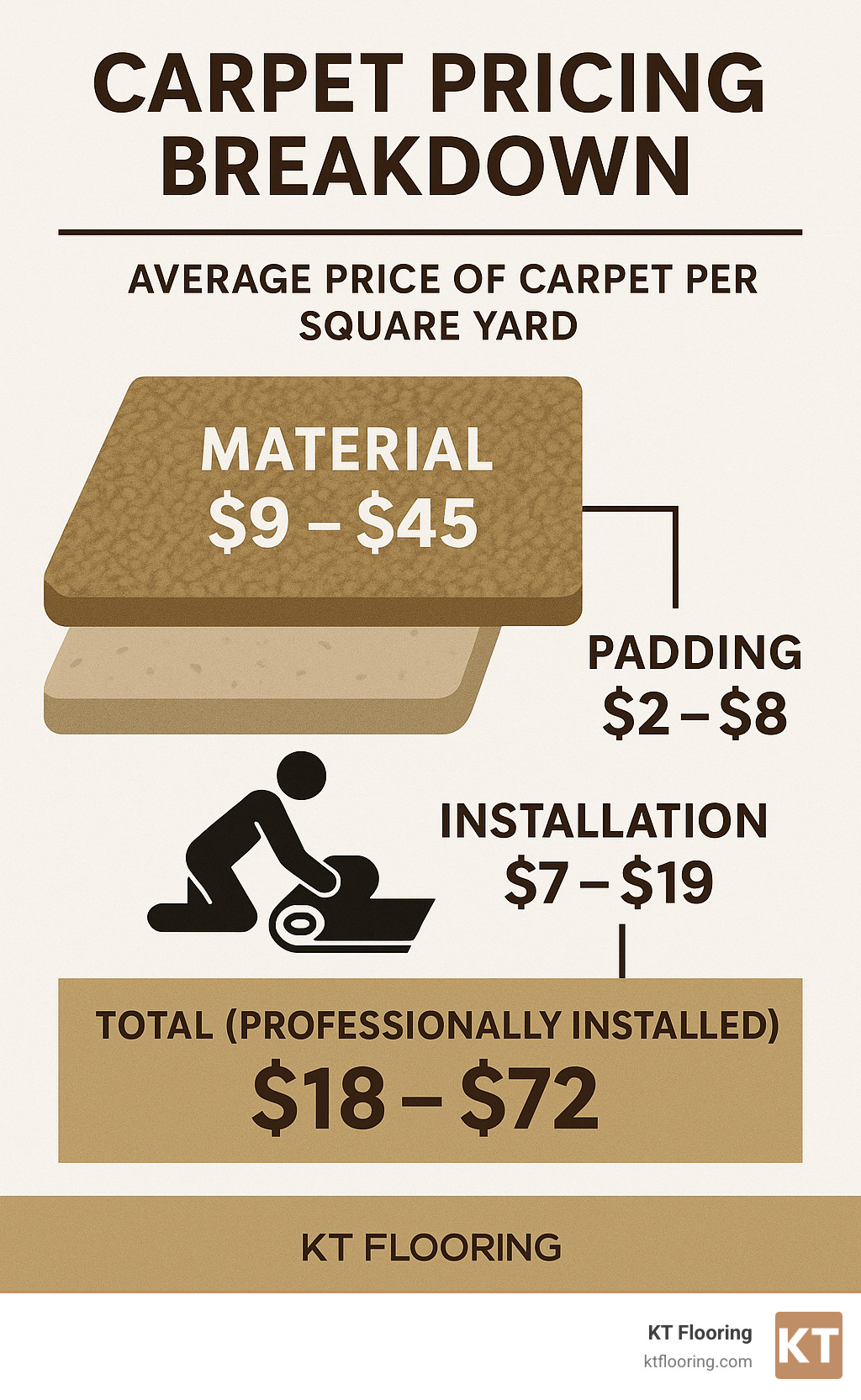
The average price of carpet per square yard ranges from $9 to $45 for materials only, and $18 to $72 when professionally installed. This significant price range reflects the variety of options available in today’s market.
| Carpet Grade | Materials Only (per sq yd) | Installed Price (per sq yd) | Typical Lifespan |
|---|---|---|---|
| Builder Grade | $9-$25 | $18-$35 | 3-5 years |
| Mid-Grade | $25-$35 | $35-$55 | 6-12 years |
| Premium | $35-$45+ | $55-$72+ | 12-20 years |
Note: These figures represent national averages based on internet data, not actual pricing from KT Flooring.
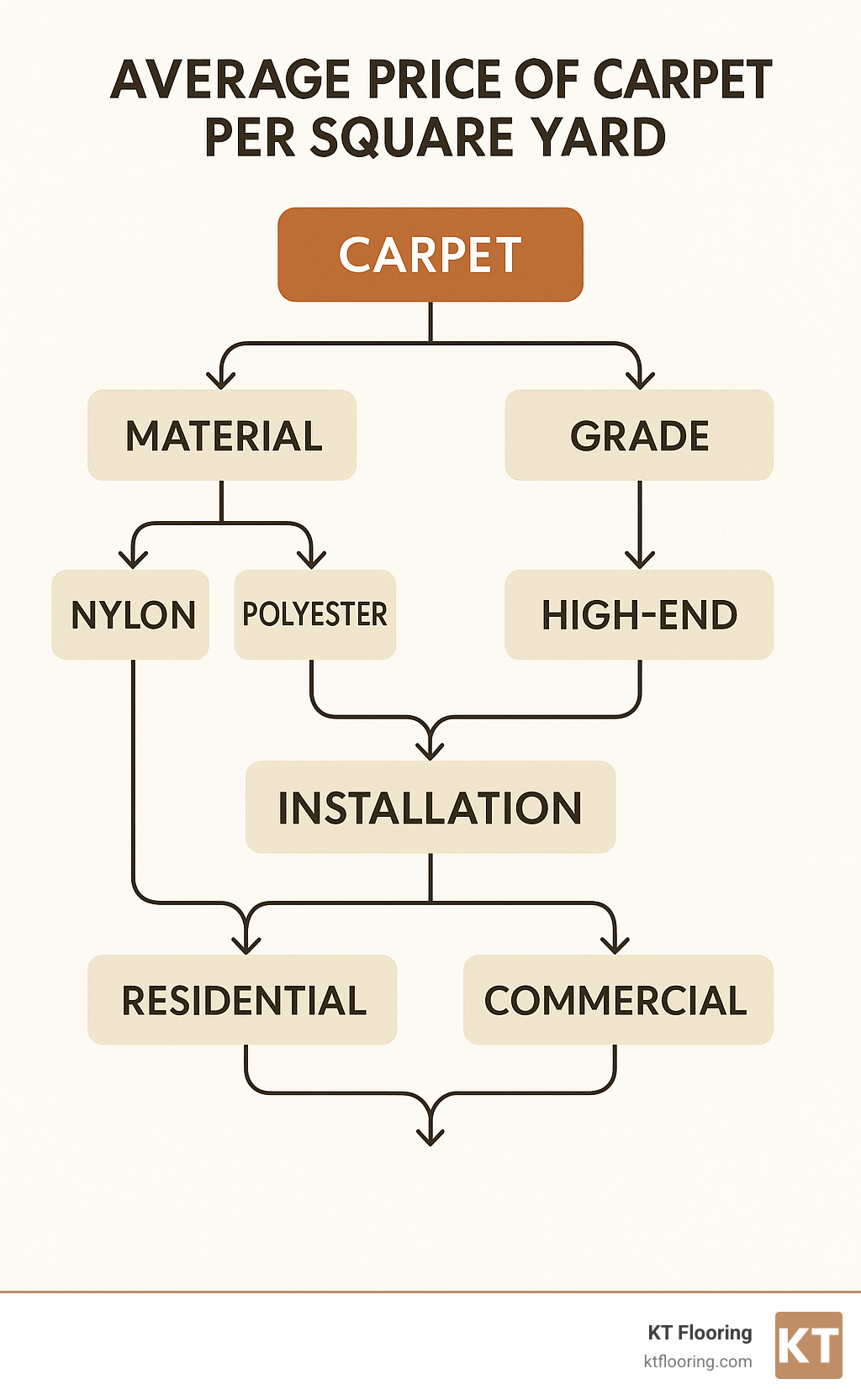
When shopping for carpet, understanding what drives these price differences can help you make an informed decision that balances your budget with your needs. The final cost depends on several key factors: material type (nylon, polyester, wool), carpet construction quality, padding selection, and installation requirements.
I’m Christopher Talty, owner of KT Flooring, and with over 50 years of experience in the flooring industry, I’ve guided countless homeowners through understanding the average price of carpet per square yard to find their perfect flooring solution. My team and I have installed thousands of square yards of carpet throughout New Hampshire and Northeast Massachusetts, giving us unique insight into regional pricing trends and quality indicators.
Terms related to average price of carpet per square yard:
– install carpet
– stair carpet fitting
– commercial carpet installers near me
Why Square Yards Matter
When shopping for carpet, you’ll quickly notice that pricing is typically quoted per square yard rather than square foot. This isn’t just an industry quirk—it’s rooted in how carpet is manufactured and sold.
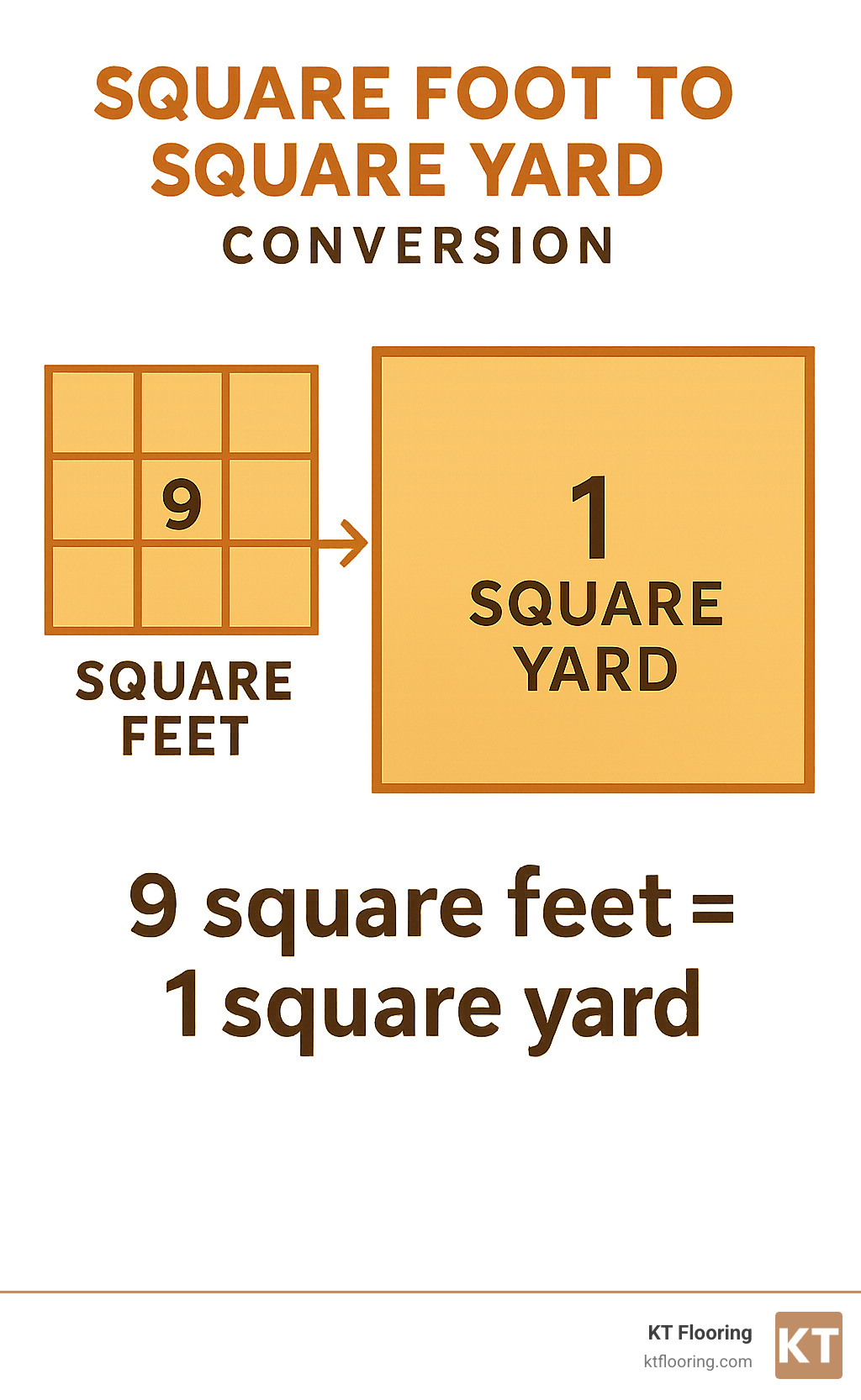
One square yard equals 9 square feet (3 feet × 3 feet). This measurement standard dates back to carpet’s early manufacturing processes, when looms typically produced material in yard-wide sections. Today, most carpet comes in 12-foot-wide rolls, but the square yard remains the standard unit of measurement for pricing.
Understanding this conversion is crucial when comparing quotes. If you see carpet priced at $27 per square yard, that’s equivalent to $3 per square foot ($27 ÷ 9 = $3). This knowledge helps prevent confusion when comparing quotes from different retailers who might use different measurement units.
Average Price of Carpet Per Square Yard in 2024
Looking at the carpet market in 2024, I’m happy to tell you there’s truly something for every budget. While I’ll share some helpful national averages with you, I’ve noticed that here in New Hampshire and Northeast Massachusetts, prices can fluctuate based on things like shipping costs and how competitive our local market is.
Builder-Grade to Luxury—average price of carpet per square yard Snapshot
When you’re shopping for carpet, you’ll generally encounter three quality tiers, each with its own price point and benefits.
Builder-Grade Carpet: $9-$25 per square yard (materials only) is your most economical option. This is what you’ll often see in rental properties or starter homes. Typically made from polyester or olefin (that’s polypropylene for the technically-minded), these carpets have a lower face weight—meaning less fiber per square yard. With normal foot traffic, you can expect about 3-5 years of service. They’re perfect for those spare bedrooms, temporary solutions, or if you’re fixing up a rental property.
Mid-Grade Carpet: $25-$35 per square yard (materials only) represents the sweet spot for most families. These carpets usually feature better polyester or nylon fibers with medium density and face weight. With proper care, they’ll serve you well for 6-12 years. This is what I recommend for most living rooms, family spaces, and bedrooms where comfort and durability need to balance with budget.
Premium Carpet: $35-$45+ per square yard (materials only) brings luxury to your floors. Made from high-quality nylon, wool, or triexta fibers with a hefty face weight (usually 40+ ounces), these carpets feel substantial underfoot and can last 12-20 years with proper care. They’re ideal for master bedrooms, formal living areas, and homes where quality is the priority.
I should mention that truly luxury carpets can soar well beyond the $45 mark—I’ve seen designer wool carpets reach $90-$100+ per square yard for materials alone. They’re gorgeous, but definitely an investment!
Installed Cost—average price of carpet per square yard vs. DIY
The carpet itself is just part of your total investment. Here’s what makes up the complete picture:
Professional installation typically runs $2-$6 per square yard for basic labor in standard rooms. But certain situations will increase that cost: stairs might add $11-$26 per step, irregular rooms requiring custom cuts can add $1-$2 per square foot in those areas, and pattern-matching or installing Berber carpet might add $3+ per square yard.
Don’t forget the padding at $2.70-$5.40 per square yard. Quality padding isn’t just about comfort—it’s essential for your carpet’s performance and longevity. Most carpet warranties actually require specific padding density and thickness. You can choose from basic rebond pad ($2.70-$3.60 per square yard) or premium options like memory foam or moisture-barrier pads ($4.50-$5.40+ per square yard).
DIY vs. Professional Installation is something to consider carefully. While DIY might seem like a money-saver, I’ve seen many homeowners regret this choice. Proper installation requires specialized tools and techniques—improper stretching leads to ripples, amateur seaming becomes visible quickly, and most manufacturers will void your warranty without professional installation. Pattern matching and complex room layouts add another layer of difficulty.
To put this in perspective, for a standard 16′ × 16′ room (about 28.4 square yards), professional installation might add $56-$170 to your project. That’s a small price for the long-term benefits in appearance, performance, and warranty protection.
Note: These figures represent national averages based on internet data, not actual pricing from KT Flooring.
Price Breakdown by Material, Style & Grade
When shopping for new carpet, understanding what drives the average price of carpet per square yard helps you make smart choices with your budget. Let’s explore how different materials and styles affect what you’ll pay.
Material Costs at a Glance
The fiber your carpet is made from is perhaps the biggest factor in its price and performance. Each material offers different benefits at different price points.
Olefin (polypropylene) is your budget-friendly champion at $9-$20 per square yard. It naturally resists stains and moisture, making it perfect for basements or rental properties. The tradeoff? It tends to crush and flatten in busy areas over time.
Polyester offers gorgeous color clarity and softness for $12-$30 per square yard. While it handles spills well, it doesn’t bounce back from foot traffic as well as some pricier options. It’s ideal for bedrooms and spaces that don’t see constant foot traffic.
Nylon remains the durability king at $20-$45 per square yard. It stands up remarkably well to busy family life, maintaining its appearance even in hallways and stairways. Most nylon carpets come with stain protection built in, giving you the best of both worlds.
Triexta (sometimes called SmartStrand or Sorona) offers an excellent middle ground at $25-$40 per square yard. This newer fiber combines impressive durability with built-in stain resistance – perfect for homes with kids, pets, or frequent entertaining.
For those seeking luxury, wool starts around $45 per square yard and can easily exceed $100 for premium grades. This natural fiber offers best comfort, insulation, and fire resistance. While it requires more care, many homeowners feel the authentic quality and environmental benefits justify the investment.

Style & Grade Impact on the Bottom Line
Beyond what your carpet is made from, how it’s constructed significantly impacts both price and performance.
Pile height refers to the length of the fibers. Low-pile carpets (under ¼”) typically cost less while offering better durability and easier cleaning. Medium-pile (¼”-½”) strikes a nice balance between comfort and longevity. High-pile options (over ½”) create that luxurious, sink-your-toes-in feeling but come with a higher price tag and maintenance needs.
Face weight might be the most important quality indicator you’ve never heard of. This measures the amount of fiber per square yard, and directly affects how long your carpet will look good:
Builder grade (20-30 oz face weight) typically lasts 3-5 years and represents the economy end of the spectrum. Mid-grade options (30-40 oz) offer a reasonable 6-12 year lifespan for most family homes. Premium grade carpets (40-60+ oz) can last 12-20 years with proper care, making them a worthwhile investment for long-term homeowners.
The style of your carpet also influences pricing. Cut pile styles like plush, saxony and frieze range from $10-$60+ per square yard. Loop pile options like Berber typically run $10-$50+ per square yard. Cut and loop patterns that create visual interest start around $15 and can exceed $60 per square yard for premium options.
I’ve noticed that the biggest price jump typically happens between mid-grade and premium carpets. This is where you’ll find significantly higher face weights, denser construction, and advanced fiber technologies that truly extend the life of your flooring investment.
Hidden Costs, Add-Ons & How to Save
When you’re shopping for carpet, the price per square yard is just the beginning of the story. I’ve seen many homeowners surprised by the “extras” that can turn a seemingly affordable project into a budget-buster. Let’s pull back the curtain on these hidden costs so you can plan more accurately.
Furniture Moving: $1-$2 per square yard might not sound like much, but for a living room, this can add $30-$60 to your bill. Some installers include basic furniture moving in their quotes, but heavy items like pianos or entertainment centers almost always incur extra charges.
Old Carpet Removal: $1-$1.60 per square yard covers the labor to rip out and roll up your existing carpet and padding. What many homeowners don’t realize is that this often doesn’t include the cost of actually disposing of these materials.
Disposal Fees: $0.25-$0.75 per square yard may seem minimal, but these can add up quickly. In New Hampshire and Massachusetts, environmental regulations can sometimes make these fees higher than the national average, especially for larger projects.
Stair Installation: $11-$26 per step is typically priced separately from your room installation. Stairs require specialized techniques, more material due to wastage, and significantly more labor time – making them one of the biggest “sticker shock” items on many quotes.
Subfloor Preparation: $1-$3 per square foot might become necessary if your installers find issues once the old carpet comes up. This could include removing hundreds of staples, repairing squeaky areas, or leveling uneven sections.
Money-Saving Hacks Without Sacrificing Quality
After helping thousands of families throughout New Hampshire and Northeast Massachusetts with their carpet projects, I’ve gathered some insider tricks that can save you real money without cutting corners on quality:
Measure accurately but don’t overdo it. You’ll need about 10% extra for waste, but buying too much is literally throwing money away. For a standard 12′ × 12′ room, you need 16 square yards (144 sq ft ÷ 9 = 16 sq yd), plus about 1.6 square yards for waste.
Shop remnants for smaller spaces like bedrooms or home offices. These leftover pieces from larger jobs often sell at 30-50% discounts while offering identical quality. I’ve helped many customers carpet entire bedrooms with high-end remnants they could never have afforded otherwise.
Consider last year’s styles when shopping. Just like fashion, carpet manufacturers update their color lines regularly. That “Sea Foam” that was all the rage last season might now be called “Coastal Mist” and priced 20% higher – even though it’s essentially the same carpet.
Request itemized quotes to make true apples-to-apples comparisons. Some quotes look amazing until you realize they don’t include removal, transitions, or furniture moving. An honest, detailed quote might look higher at first glance but save you money in the long run.
Negotiate on extras, not quality. Rather than downgrading your carpet (which you’ll regret later), ask if there’s flexibility on removal costs or transition materials. Many installers have some wiggle room on these secondary items.
Time your purchase strategically. January/February (after the holiday rush) and July/August (before the fall renovation season) typically offer the best carpet sales as retailers clear inventory for new arrivals.
External Fees Most Shoppers Miss
In my years serving homeowners throughout Southern New Hampshire and Northeast Massachusetts, I’ve noticed certain expenses that catch people off guard:
Threshold Transitions: $2-$10 per linear foot are required wherever your new carpet meets another flooring type. These costs vary based on material (vinyl, metal, or wood) and can add $50-$100 to a typical installation.
Door Trimming: $25-$50 per door might become necessary when your new carpet and padding combination is thicker than your previous flooring. This is especially common when replacing old, worn carpet with plush new carpet and premium padding.
Tack Strip Replacement: $0.50-$1 per linear foot is often needed when replacing existing carpet. These wooden strips with small nails hold your carpet in place around the room’s perimeter, and worn or rotted strips need replacement for proper installation.
Custom Carpet Treatments: $0.50-$1.50 per square yard for stain protection, anti-static, or antimicrobial treatments might be worth considering depending on your lifestyle. While many carpets come pre-treated, additional protection can extend your carpet’s life in high-use homes.
Being aware of these potential extras allows you to budget accurately and have honest conversations with your flooring professional before the project begins. A trustworthy installer will be upfront about these costs rather than surprising you with them later.
More info about best flooring deals
Note: All pricing mentioned represents national averages based on internet data and not actual pricing from KT Flooring.
Measuring, Estimating & Converting Square Yards
Accurate measurement is the foundation of any successful carpet project. I’ve seen countless homeowners save hundreds of dollars simply by measuring correctly before shopping. Let’s walk through how to get it right the first time.
Step-by-Step: From Tape Measure to Quote
Getting from your room dimensions to an accurate carpet quote isn’t complicated, but it does require attention to detail. Start by grabbing your tape measure and a notepad.
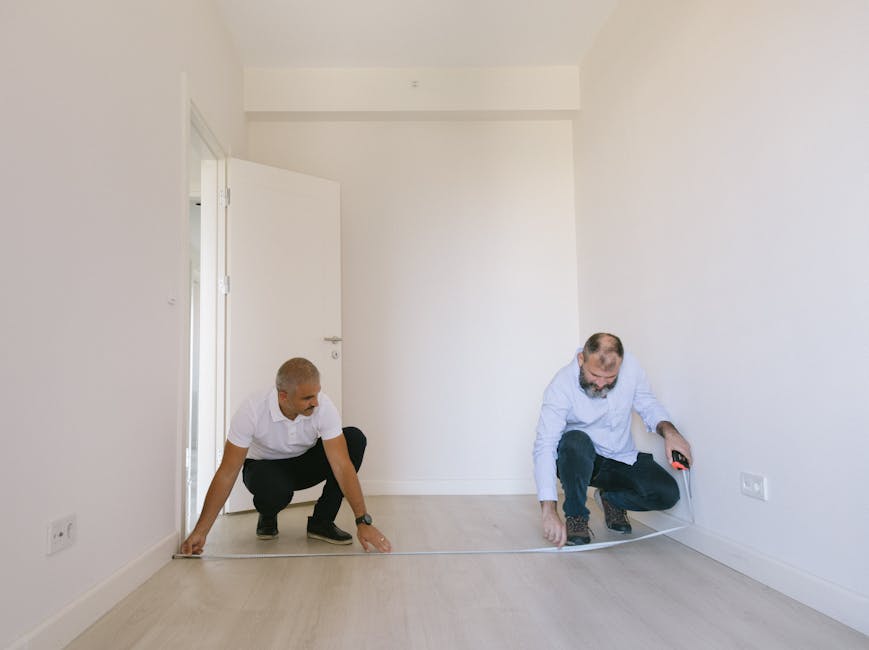
First, measure each room’s length and width in feet at the longest and widest points. Don’t forget those closets and alcoves! For rooms with odd shapes, break them into rectangles and measure each section separately.
Once you have your measurements, calculate square footage by multiplying length by width for each rectangular section, then adding all sections together. A 12′ × 15′ bedroom, for example, gives you 180 square feet.
Now comes the important conversion: divide your total square footage by 9 to get square yards. For our 12′ × 15′ room, that’s 180 ÷ 9 = 20 square yards. This is the base measurement you’ll need.
Don’t stop there, though! Always add a waste allowance of about 10% for standard rooms. If you’re choosing patterned carpet or have irregular spaces, bump that up to 15-20%. For our example room, that means 20 sq yd × 1.1 = 22 square yards needed.
Finally, remember that standard carpet comes in 12-foot widths. If your room is wider than 12 feet, you’ll need seams. Try to plan these in less visible areas or where furniture will cover them.
Converting Prices—average price of carpet per square yard ↔ per square foot
One of the most common confusions I see when helping customers is the difference between square yard and square foot pricing. It’s a simple conversion, but missing it can make you think a carpet is much cheaper (or more expensive) than it actually is.
To convert from square yards to square feet, just divide by 9. So if carpet costs $27 per square yard, that’s $3 per square foot ($27 ÷ 9 = $3). Going the other way? Multiply by 9. A carpet priced at $4 per square foot costs $36 per square yard ($4 × 9 = $36).
This conversion becomes crucial when comparing quotes from different retailers. I’ve had customers nearly make expensive mistakes because one store quoted in square feet while another used square yards!
When reviewing quotes, you’ll typically see pricing formatted in one of these ways:
* $3.99/sq ft ($35.91/sq yd)
* $27/sq yd ($3/sq ft)
* $2.50/sq ft installed ($22.50/sq yd installed)
Always ask whether quoted prices include padding and installation or just cover materials. The difference can be substantial, and clarity here prevents unpleasant surprises when the final bill arrives.
Taking time to measure accurately and understand pricing conversions puts you in control of your carpet purchase. It’s worth the extra few minutes to get it right!
More info about install carpet
Frequently Asked Questions about Carpet Pricing
After helping thousands of customers throughout New Hampshire and Massachusetts, I’ve noticed certain questions come up time and again when people are trying to understand carpet pricing. Let’s tackle the most common ones I hear during consultations.
What’s included in a “per-yard” quote?
This is perhaps the most important question you can ask when shopping for carpet. Those simple numbers can hide a lot of variables!
When you receive an average price of carpet per square yard quote, never assume what’s included. In my experience, here’s what you should expect:
A materials-only quote typically covers just the carpet itself and maybe delivery to your home. This is what you’ll often see advertised in big sales.
A proper installed quote should include the carpet material, padding (though you should confirm the type and thickness), basic installation labor, and cleanup of installation debris.
What’s almost never included unless specifically mentioned? Removal and disposal of existing flooring, furniture moving (a big one!), any subfloor repairs, transitions to other flooring types, and stair installation, which is almost always priced separately.
I always recommend asking for an itemized quote that spells everything out clearly. You’d be surprised how many people skip this step and end up with unexpected charges on installation day.
How long will different grades actually last?
This is where reality often differs from what you might read online. Based on thousands of installations and follow-up visits with clients:
Builder-Grade Carpet ($9-$25 per square yard) typically shows visible wear paths after just 1-2 years in busy areas. Most homeowners find themselves needing replacement after 3-5 years. The exception might be a rarely used guest room, where it could last longer.
Mid-Grade Carpet ($25-$35 per square yard) maintains its appearance for about 3-5 years in high-traffic zones. With proper care, you can expect 6-12 years of service in an average home. This tier represents the sweet spot of value for most families I work with.
Premium Carpet ($35-$45+ per square yard) retains its good looks for 5-7 years even in busy areas. With proper maintenance, these carpets often serve families for 12-20 years. Despite the higher upfront cost, they actually offer the lowest cost per year of service.
The wild card in all this is maintenance. Good habits dramatically extend carpet life: vacuum high-traffic areas 2-3 times weekly, get professional cleaning every 12-18 months, address spills immediately, and use entry mats to reduce dirt. I’ve seen well-maintained mid-grade carpet outlast neglected premium carpet by years.
Are commercial carpet prices higher than residential?
Commercial carpet is a different animal altogether, though there’s some price overlap with residential products.
Commercial carpets typically feature lower pile height (making it easier to roll office chairs and reducing wear), higher density construction, and are often sold as carpet tiles rather than broadloom. They’re usually designed for glue-down installation rather than the stretch-in method we use for homes.
Price-wise, you’re looking at around $15-$25 per square yard for entry-level commercial carpet, $25-$35 for mid-grade, and $35-$60+ for premium options.
Interestingly, commercial installation often costs less per square yard because there are larger open spaces with fewer cuts, less padding (or none at all with glue-down installation), and contractors can achieve economies of scale with bigger projects.
That said, commercial settings demand more durable materials to handle heavier foot traffic, so the total installed cost ends up similar to or higher than residential installations.
For business owners in Southern New Hampshire and Northeast Massachusetts, I typically recommend commercial-grade carpet even for light office use. The modest additional investment pays dividends in longevity and performance, especially in spaces where replacement would disrupt business operations.
Scientific research on math conversions
Conclusion
Understanding the average price of carpet per square yard is just the beginning of your flooring journey. The real value comes from finding that perfect match between carpet quality and your specific lifestyle needs.
After helping countless homeowners steer their flooring decisions, I’ve seen how a thoughtful carpet purchase can transform a house into a home. Let’s wrap up what we’ve learned about making that perfect carpet investment.
When planning your budget, remember to think beyond just the carpet itself. Those beautiful samples you’re looking at? They’re only part of the equation. A realistic budget includes quality padding (your carpet’s unsung hero), professional installation, and those easy-to-forget extras like old carpet removal and furniture moving.
Consider the long view when selecting your carpet grade. That premium carpet with its higher upfront cost often becomes the better value when you calculate its cost per year of service. A $45 per square yard carpet that lasts 15 years actually costs you less annually than a $20 option you’ll replace in 5 years – not to mention saving you from the hassle of more frequent replacements.
Don’t skimp on padding – it’s like building a house on a weak foundation. Quality padding doesn’t just feel better underfoot; it extends your carpet’s life by absorbing impact and reducing fiber crushing. Those few extra dollars per yard for premium padding pay dividends in comfort and longevity.
When measuring rooms, that extra bit of care makes all the difference. Take your time, measure twice, and add that 10% waste factor. I’ve seen too many homeowners come up short on installation day, leading to delays and sometimes even having to reorder from different dye lots (hello, visible seams!).
When comparing quotes, make sure you’re looking at true apples-to-apples comparisons. Is one quote in square feet while another uses square yards? Does one include padding while another doesn’t? These details matter enormously when making your final decision.
After 50 years of helping homeowners throughout New Hampshire and Northeast Massachusetts select and install carpet, we’ve found that informed customers consistently make better decisions for their homes. Whether you’re carpeting a cozy bedroom or an entire house, understanding what drives the average price of carpet per square yard helps you balance immediate budget concerns with long-term satisfaction.
Ready to explore your options? We bring samples directly to your home, allowing you to see how different carpets look in your actual space and lighting – because carpet that looks perfect in a showroom might tell a different story in your living room.
More info about carpet flooring
