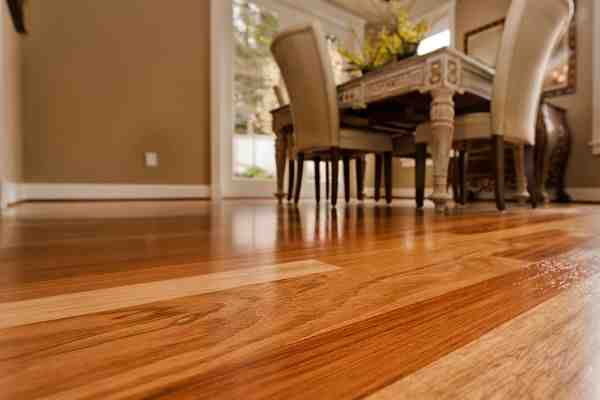
Environmentally friendly hardwood flooring is becoming a top choice for homeowners like Helen in New Hampshire who want to upgrade their home flooring while making eco-conscious decisions. Many opt for this sustainable option because it meets style, durability, and low environmental impact needs.
Here’s a quick look at why hardwood flooring is environmentally friendly:
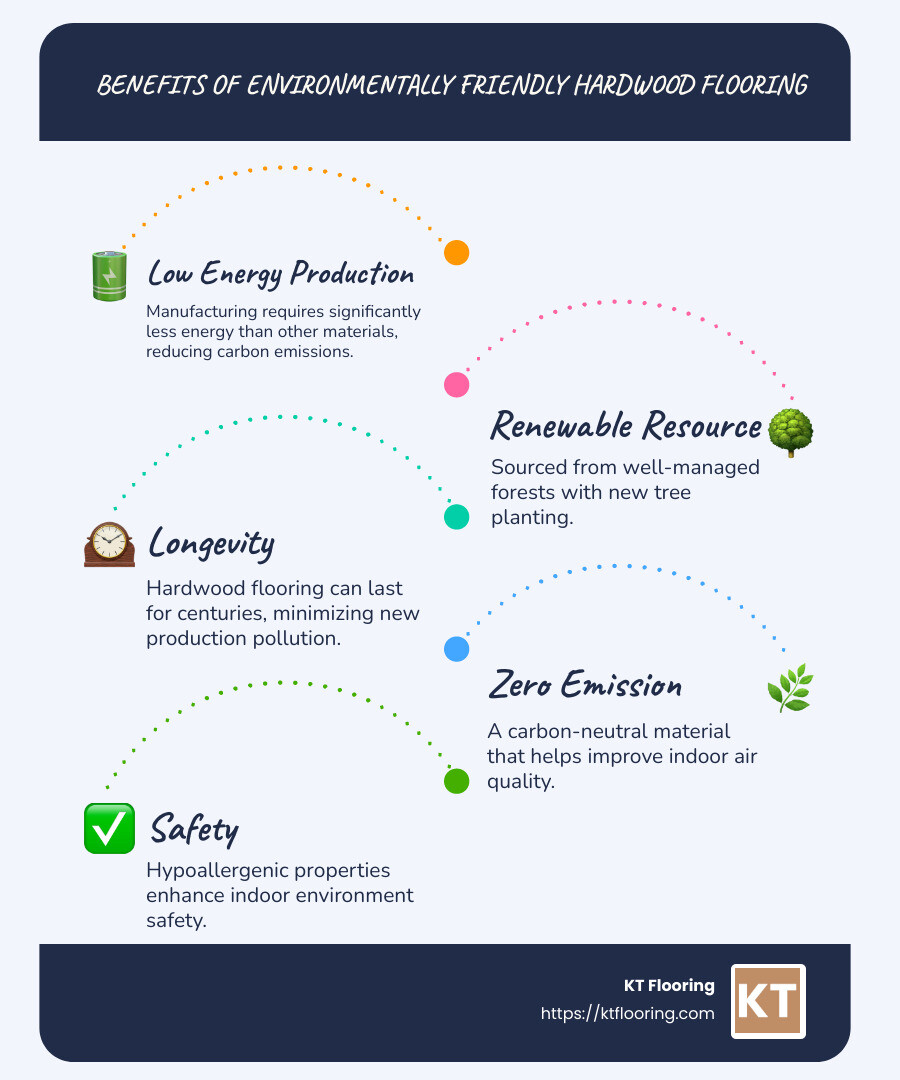
- Low Energy Production: The manufacturing of hardwood flooring requires significantly less energy than concrete or steel, reducing carbon emissions.
- Renewable Resource: Hardwood is sourced from well-managed forests where new trees are planted to replace the harvested ones.
- Longevity: Unlike other flooring types, hardwood can last for centuries, thus reducing pollution from new production and installations.
- Zero Emission and Safe: It’s a carbon-neutral material and helps improve indoor air quality by being hypoallergenic.
As you steer sustainable options, I’m here to guide you through the selection of environmentally friendly hardwood flooring. I’m Christopher Talty, owner of KT Flooring. With over 50 years in the flooring business, offering expert guidance on eco-friendly solutions is a passion of mine.
Stay tuned to explore the versatile field of environmentally friendly hardwood flooring and find how you can make a sustainable choice for your home.
Understanding Environmentally Friendly Hardwood Flooring
When it comes to environmentally friendly hardwood flooring, the materials and finishes used play a crucial role in minimizing environmental impact.
Sustainable Materials
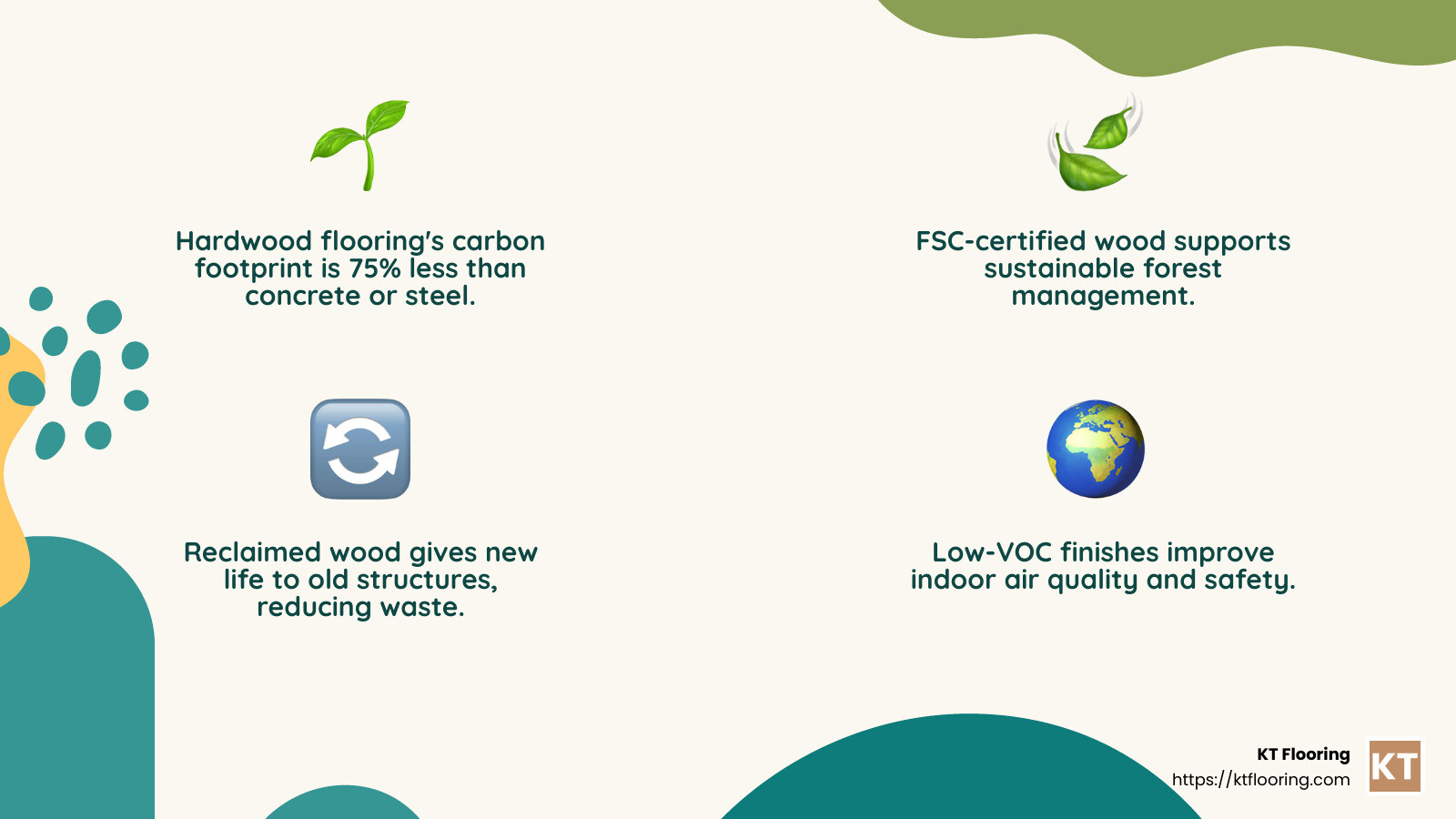
Sustainable hardwood flooring is crafted from materials that are responsibly sourced. This means the wood comes from forests that are managed to maintain ecological balance. For example, the Forest Stewardship Council (FSC) certifies wood that meets high environmental and social standards. By choosing FSC-certified wood, you’re supporting forests that are replanted after harvest, ensuring a continuous supply of this renewable resource.
Additionally, reclaimed wood is an excellent choice for those looking to reduce their environmental footprint. Reclaimed wood is salvaged from old structures, giving it a second life and preventing waste. It’s a win-win situation: you get unique, character-rich flooring while being kind to the planet.
Low-VOC Finishes
Volatile Organic Compounds (VOCs) are chemicals that can evaporate into the air and contribute to indoor air pollution. Low-VOC finishes are essential for maintaining a healthy indoor environment. These finishes are designed to release fewer harmful chemicals, making them safer for your home and the planet.
For instance, KT Flooring uses finishes that are plant-based and environmentally responsible. These finishes, like the WOCA Oil, consist mainly of cold-pressed vegetable oils and aromatic hardening oils. They are sustainable, nonpolluting, and durable, with no artificial color pigments or preservatives.
Carbon-Neutral Flooring
Hardwood flooring is often considered carbon-neutral because trees absorb carbon dioxide as they grow. This means the carbon released during the production and disposal of the wood is offset by the carbon absorbed during the tree’s life.
The Environment Protection Agency notes that wood flooring can even improve indoor air quality due to its hypoallergenic properties. This aspect, combined with its carbon-neutral status, makes hardwood a smart choice for eco-conscious homeowners.
By selecting environmentally friendly hardwood flooring, you’re not just investing in your home’s beauty and durability but also taking a step toward a more sustainable future. This thoughtful choice supports healthier living spaces and a healthier planet.
Next, we’ll explore the top eco-friendly hardwood flooring options available to you.
Top Eco-Friendly Hardwood Flooring Options
When it comes to choosing environmentally friendly hardwood flooring, you have several great options. Each type offers unique benefits for both your home and the planet.
Reclaimed Wood
Reclaimed wood is a fantastic option if you’re looking to reduce waste. This type of wood is salvaged from old buildings, barns, and even riverbeds. By using reclaimed wood, you give new life to materials that might otherwise end up in a landfill. Plus, reclaimed wood has a unique, rustic charm that adds character to your home.
FSC-Certified Wood
Choosing Forest Stewardship Council (FSC)-certified wood means you’re opting for wood sourced from responsibly managed forests. FSC certification ensures that the wood meets rigorous environmental and social standards. This means the forests are replanted and managed to maintain biodiversity and support local communities. FSC-certified wood is a great choice for those who want to support sustainable forestry practices.
Bamboo
Bamboo is not technically wood; it’s a grass. But it’s a popular choice for eco-friendly flooring due to its rapid growth rate. Some bamboo species can grow up to three feet in just 24 hours! This fast growth makes bamboo a highly renewable resource. However, choose bamboo that has been sustainably harvested and treated to resist insects and moisture.
Cork
Cork flooring is another excellent eco-friendly option. Cork is harvested from the bark of cork oak trees, which means the tree itself is not harmed and can continue to grow. This makes cork a renewable resource. Additionally, cork is naturally resistant to mold, mildew, and pests, making it a durable and healthy choice for your home.
By exploring these options, you can find the perfect environmentally friendly hardwood flooring that meets your style and sustainability goals. Making informed choices not only improves your living space but also supports a healthier planet.
Next, we’ll dig into the benefits of choosing sustainable hardwood flooring.
Benefits of Choosing Sustainable Hardwood Flooring
Opting for environmentally friendly hardwood flooring offers numerous advantages for both your home and the planet. Let’s explore some key benefits.
Low Energy Production
One of the standout features of sustainable hardwood flooring is its low energy production. Unlike materials like concrete or steel, hardwood requires significantly less energy to harvest and manufacture. This means fewer carbon emissions are released into the atmosphere during production. According to research, hardwood’s carbon footprint is 75% less than that of concrete or steel. This makes it a great choice for those looking to reduce their environmental impact.
Renewable Resources
Hardwood flooring is a renewable resource. With responsible forestry practices, such as those endorsed by the Forest Stewardship Council (FSC), trees are replanted and managed to ensure forests continue to thrive. In American hardwood forests, the growth rate of new wood nearly doubles the rate of harvest. This ensures that more trees are planted and growing than are being cut down, promoting a healthy and sustainable forest ecosystem.
Longevity
Hardwood flooring is renowned for its durability and longevity. Unlike other flooring options that may need frequent replacement, hardwood can last for generations. In fact, some hardwood floors can last hundreds of years if properly maintained. This longevity means less frequent replacement and, consequently, less waste and pollution from manufacturing and installation processes.
Zero Emissions
Hardwood flooring is a carbon-neutral product with zero emissions during its life cycle. The Environmental Protection Agency notes that wood flooring can even improve indoor air quality, as it is hypoallergenic and does not trap dust or allergens. Moreover, many hardwood finishes, like plant-based oils, are environmentally responsible and free from harmful chemicals.
Choosing environmentally friendly hardwood flooring not only improves the beauty and value of your home but also contributes to a healthier planet. In the next section, we’ll answer some frequently asked questions about these sustainable flooring options.
Frequently Asked Questions about Environmentally Friendly Hardwood Flooring
What is the most environmentally friendly flooring?
When considering the most eco-friendly flooring options, it’s important to look at materials that have low environmental impact, are sustainably sourced, and offer long-term durability. Hardwood, cork, bamboo, tile, and linoleum are all popular choices.
- Hardwood: Especially when sourced from FSC-certified forests, hardwood is a renewable resource. It offers a carbon-neutral footprint and can be recycled or repurposed at the end of its life.
- Cork: Harvested from the bark of cork oak trees, cork is a renewable resource that doesn’t harm the tree. It’s lightweight and acts as an excellent insulator.
- Bamboo: Technically a grass, bamboo grows rapidly and can regenerate quickly after harvest, making it a sustainable choice. Its strength and durability make it suitable for both flooring and cabinetry.
- Tile: Made from natural clay, tile is durable and can last for decades, reducing the need for frequent replacements.
- Linoleum: Composed of natural materials like linseed oil and wood flour, linoleum is biodegradable and offers a long lifespan.
Is bamboo flooring really sustainable?
Yes, bamboo flooring is considered highly sustainable. Bamboo’s rapid growth cycle means it can be harvested in as little as three to seven years, compared to decades for hardwood trees. After harvesting, bamboo self-regenerates without needing to be replanted. This makes it an excellent choice for eco-conscious homeowners. However, it’s important to ensure that the bamboo is sourced from manufacturers who adhere to eco-friendly practices to minimize environmental impact.
Which type of wood is the most environmentally friendly?
Oak is often highlighted as one of the most environmentally friendly wood options. It is widely available and grows abundantly in many regions. When oak is harvested through sustainable practices, it supports a carbon-neutral cycle. Additionally, oak forests often have programs in place to plant new seedlings for every tree harvested, ensuring the sustainability of the forest ecosystem.
In summary, choosing the right flooring can significantly impact your environmental footprint. By opting for materials like hardwood, bamboo, or cork, you can make a choice that benefits both your home and the environment.
Conclusion
At KT Flooring, we understand the importance of making sustainable choices when it comes to flooring. Our commitment to environmentally friendly hardwood flooring reflects our dedication to both quality and the planet. We believe that every step towards sustainability is a step towards a better future.
Customer satisfaction is at the heart of our business. With over 50 years of experience in flooring sales and installation, we take pride in offering personalized service that meets the unique needs of each client. Whether you’re a homeowner in New Hampshire or a business owner in Northeast Massachusetts, our team is here to guide you through the process of selecting the perfect eco-friendly flooring for your space.
We offer a wide range of sustainable hardwood flooring options that are not only beautiful but also environmentally responsible. From FSC-certified hardwoods to innovative low-VOC finishes, our products are designed to minimize environmental impact while maximizing aesthetic appeal.
By choosing KT Flooring, you are not just investing in high-quality flooring; you are making a conscious decision to support sustainable practices. Our expert team is ready to assist you in changing your space with flooring that aligns with your values.
To learn more about our environmentally friendly hardwood flooring options, visit our hardwood flooring page and explore how we can help you make sustainable flooring choices that improve your home or business.
Together, let’s take sustainable steps towards a greener future.